Source Anti Static Reflective Work Suit for Factory, Road, Security
Find 30 verified options for the anti static reflective work suit designed for factory, road, and security applications. Buyers can compare features like flame retardancy, quick dry capabilities, and customization services from manufacturers in China.
Key considerations
Products List




Comprehensive Sourcing Guide
Strategic Sourcing Guide for Anti-Static Reflective Work Suits
Procuring specialized protective apparel requires a disciplined approach that balances technical performance with supply chain reliability. The core keyword "anti-static reflective work suit" identifies a critical category of Personal Protective Equipment (PPE) designed for environments where electrostatic discharge (ESD) poses a risk to sensitive electronic components, while high-visibility features ensure worker safety in low-light or high-traffic zones. Buyers must navigate a market where product attributes vary significantly between manufacturers, and where the distinction between a general safety vest and a full-body ESD-compliant suit is paramount. This guide outlines the essential factors for evaluating suppliers, understanding technical specifications, and managing the procurement lifecycle for these specialized garments.
Technical Specifications and Material Composition
The foundation of any effective anti-static work suit lies in its material composition and structural design. Based on available market data, the primary fabric used for these garments is polyester, selected for its durability and ability to be engineered with conductive properties. The material must be both comfortable and breathable to ensure worker compliance during extended shifts, particularly in industrial settings where physical exertion is common. Key functional attributes observed in high-quality units include waterproofing, quick-drying capabilities, and dustproof construction. These features are essential for maintaining the integrity of the anti-static properties in varying environmental conditions.
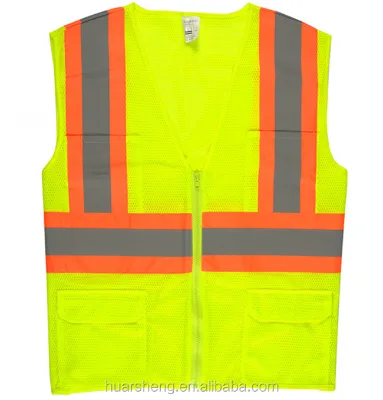
The structural design of the suit is equally critical. Common configurations include open-fronted jackets and all-in-one coveralls. The open-fronted style often features a badge or label attachment point, allowing for easy identification of personnel or specific departmental roles. In contrast, all-in-one designs provide comprehensive coverage, often incorporating disposable elements for single-use scenarios in highly sensitive cleanrooms. The presence of specific features such as rip-stop fabric, anti-wrinkle treatment, and flame retardancy indicates a higher tier of protection suitable for complex industrial environments. Buyers should verify that the fabric explicitly lists "Anti-Static" as a primary specification, alongside "Breathable" and "Durable" to ensure the garment does not compromise worker comfort for the sake of safety.
| Feature Category | Common Specifications | Procurement Verification Point |
|---|---|---|
| Fabric Material | Polyester, Comfortable and Breathable | Confirm fiber blend allows for static dissipation. |
| Structural Design | Open Fronted, All-in-one, Jacket Style | Ensure coverage matches the specific hazard zone. |
| Functional Traits | Waterproof, Quick Dry, Dustproof, Flame Retardant | Verify performance claims against environmental needs. |
| Special Properties | Anti-Static, Anti-Wrinkle, Rip-Stop | Check for conductive thread integration or coating. |
Compliance Standards and Certification Verification
Navigating the landscape of safety standards is perhaps the most complex aspect of sourcing reflective work suits. While specific certification marks like ISO 20471 and EN 471 are frequently associated with high-visibility clothing, buyers must treat these as verification targets rather than automatic inclusions. The supplied context indicates that product standards often "Depend on the goods," suggesting that compliance is not uniform across all listings. Similarly, while CE certification is a common background expectation for European markets, it should not be assumed without explicit documentation from the supplier.
For anti-static properties, the focus must be on the specific electrical resistance values required by the buyer's industry, such as semiconductor manufacturing or explosive atmosphere handling. The standard "S~5XL" sizing range indicates a broad availability, but the actual compliance with ESD standards (such as ANSI/ESD S20.20 or IEC 61340) must be confirmed through test reports. Buyers should request evidence that the "Anti-Static" claim is backed by third-party testing, particularly for applications in SMT production lines, computer rooms, or electronic component maintenance rooms. The absence of a specific standard number in a product listing does not necessarily indicate non-compliance, but it does require a deeper inquiry into the supplier's quality assurance protocols.
Cost Drivers and Pricing Dynamics
The pricing for anti-static reflective work suits is influenced by a complex interplay of material costs, customization requirements, and order volume. The observed market price range spans from $0.48 to $39.00 USD, a variance that reflects the difference between basic disposable vests and high-performance, multi-layered coveralls. The lower end of the spectrum typically corresponds to single-use or lightweight reflective vests intended for temporary traffic control or general security duties. The higher price points are associated with durable, flame-retardant, and fully anti-static suits designed for long-term use in hazardous electronic manufacturing environments.
Order Volume (MOQ) is a significant cost driver. The market shows an MOQ range from 1 to 1000 units. Suppliers offering low MOQs often charge a premium per unit to cover setup costs for custom logos, specific sizing, or unique color combinations. Conversely, bulk orders of 1000 units or more typically unlock significant cost reductions. Customization is a major factor; the availability of "Logo: Follow Your Request" and "Customized Label" services adds value but also increases the unit cost. Buyers must balance the need for branding and specific safety features against the budget constraints, understanding that "Comfortable to Wear" and "New Design" attributes often command a higher price due to the engineering involved in ergonomic fit and fabric technology.
Typical Applications and Usage Scenarios
Understanding the specific application environment is crucial for selecting the right product. The data indicates that these suits are utilized in a diverse range of settings, from high-tech manufacturing to public safety roles. In the electronics sector, the primary usage is for SMT production lines, printing workshops, and electronic component maintenance rooms. In these environments, the "Antistatic" property is non-negotiable to prevent damage to sensitive microchips. The "Dustproof" and "Waterproof" features further protect the product integrity in cleanroom conditions.
Beyond electronics, the suits serve critical roles in transportation and road administration. Applications include work for traffic wardens, security staff, and sanitation workers. In these scenarios, the "Reflective" aspect is the primary safety concern, often paired with "Flame Retardant" and "Rip-Stop" features to protect against road hazards and potential fire risks. The "Season" attribute, ranging from Spring/Autumn to Winter, suggests that buyers must consider thermal insulation when selecting the suit for outdoor use. A suit designed for a computer room may lack the thermal properties required for a winter road administration role, making the "Usage" field a primary filter for procurement.
Supplier Evaluation and Service Capabilities
When evaluating potential suppliers, buyers should look beyond the product listing and assess the company's service model. The market data identifies suppliers as "Manufacturer & Exporter" offering "OEM Service" and "ODM Service." This distinction is vital; a manufacturer typically has more control over the production process and quality consistency, whereas a trading company may offer a wider variety of products but less control over specifications. The "Supply Type" being OEM Service indicates that the supplier is equipped to produce goods under the buyer's brand or specifications, which is essential for corporate uniform programs.
Geographic origin is another key evaluation metric. Suppliers are located in regions such as Suzhou, Guangzhou, and Jiangsu, China. These regions are known for their textile manufacturing capabilities, but buyers should verify the specific factory location to ensure it aligns with their logistical and compliance requirements. The "Business Type" of Manufacturer & Exporter suggests a direct line to production, which can facilitate better communication regarding technical specifications. Additionally, the availability of "Sample" services with a lead time of 7-10 days allows buyers to physically inspect the quality, fit, and anti-static properties before committing to a large order.
Quality Control and Long-Term Procurement Strategy
Effective quality control for anti-static reflective work suits requires a multi-stage approach. First, the buyer must verify the "prod_packing" method, which is typically "Carton" or "Box," ensuring that the garments are protected during transit to prevent contamination or damage to reflective strips. Second, the "Delivery Time" is a critical logistical factor, with a typical lead time of 60-90 days for bulk orders. This extended timeline underscores the need for early planning and inventory management to avoid production bottlenecks.
For long-term procurement, consistency is key. The "prod_model" numbers (e.g., JSJM-1008-14, WU0007, BWS-H2191) indicate that suppliers have established product lines. Buyers should aim to standardize on specific models that have proven performance records rather than constantly switching between different SKUs. This approach simplifies quality control and ensures that replacement parts or additional units are identical to the original batch. Furthermore, the "Customization" availability should be leveraged to create a unified safety culture, ensuring that all personnel in a specific facility wear gear that meets the exact same technical and visual standards.
In conclusion, sourcing anti-static reflective work suits requires a meticulous review of technical specifications, a rigorous verification of compliance standards, and a strategic approach to supplier selection. By focusing on the core attributes of material, function, and application, buyers can secure protective gear that safeguards both their workforce and their sensitive equipment. The wide range of prices and MOQs offers flexibility, but the complexity of the product demands a high level of due diligence to ensure that the final procurement delivers on its promise of safety and performance.
FAQs
What materials are used for anti static reflective work suits?
The primary material used is polyester, selected for its durability and ability to be engineered with conductive properties. This fabric is designed to be comfortable and breathable, ensuring worker compliance during extended shifts in industrial settings.
Which functional features do these suits typically include?
Common functional attributes include waterproofing, quick-drying capabilities, and dustproof construction to maintain integrity in varying conditions. Additional features often observed are anti-wrinkle treatment, rip-stop fabric, and flame retardancy for complex industrial environments.
Can buyers request custom logos and labels on the suits?
Yes, customization is available with options to follow specific requests for logos and customized labels. This service allows for branding and identification of personnel, though it may increase the unit cost depending on the order volume and complexity.
What are the typical lead times for bulk orders?
The typical delivery time for bulk orders is normally 60 to 90 days. Buyers should plan for this extended timeline to avoid production bottlenecks, while sample services are available with a shorter lead time of 7 to 10 days.
Where are the manufacturers of these suits located?
Suppliers are located in regions such as Suzhou, Guangzhou, and Jiangsu in China. These areas are known for textile manufacturing capabilities, and buyers should verify specific factory locations to align with their logistical and compliance requirements.
What is the minimum order quantity for these products?
The market shows a minimum order quantity range from 1 to 1000 units. Suppliers offering low MOQs often charge a premium per unit, while bulk orders of 1000 units or more typically unlock significant cost reductions.
Which industries utilize anti static reflective work suits?
These suits are utilized in SMT production lines, printing workshops, and electronic component maintenance rooms. They also serve critical roles in transportation, road administration, and security staff operations requiring high visibility and protection.
Are there specific sizing options available for these suits?
Various size options are available, with a standard range extending from S to 5XL. This broad availability ensures that the suits can fit a diverse workforce, though buyers should verify specific size charts for custom orders.